
Using convolution for archaeoacoustic conservation
A talk in three parts, yesterday, today and tomorrow, on hearing the past through convolution.
All enduring historical spaces recorded in various media will lose context and content over time. At the outer edges of that loss is acoustic data. This talk explains how convolution lets us keep it.
Yesterday: what convolution is
Exploring cultural heritage through acoustic reconstruction gives historians, musicologists and others a perspective that more established research methods can’t. It is also a powerful way to deliver memorable, multisensory experiences. Sound is information, and it is often the last kind to survive: a ruin may have lost its roof, its paint and its purpose, yet still answer a voice.
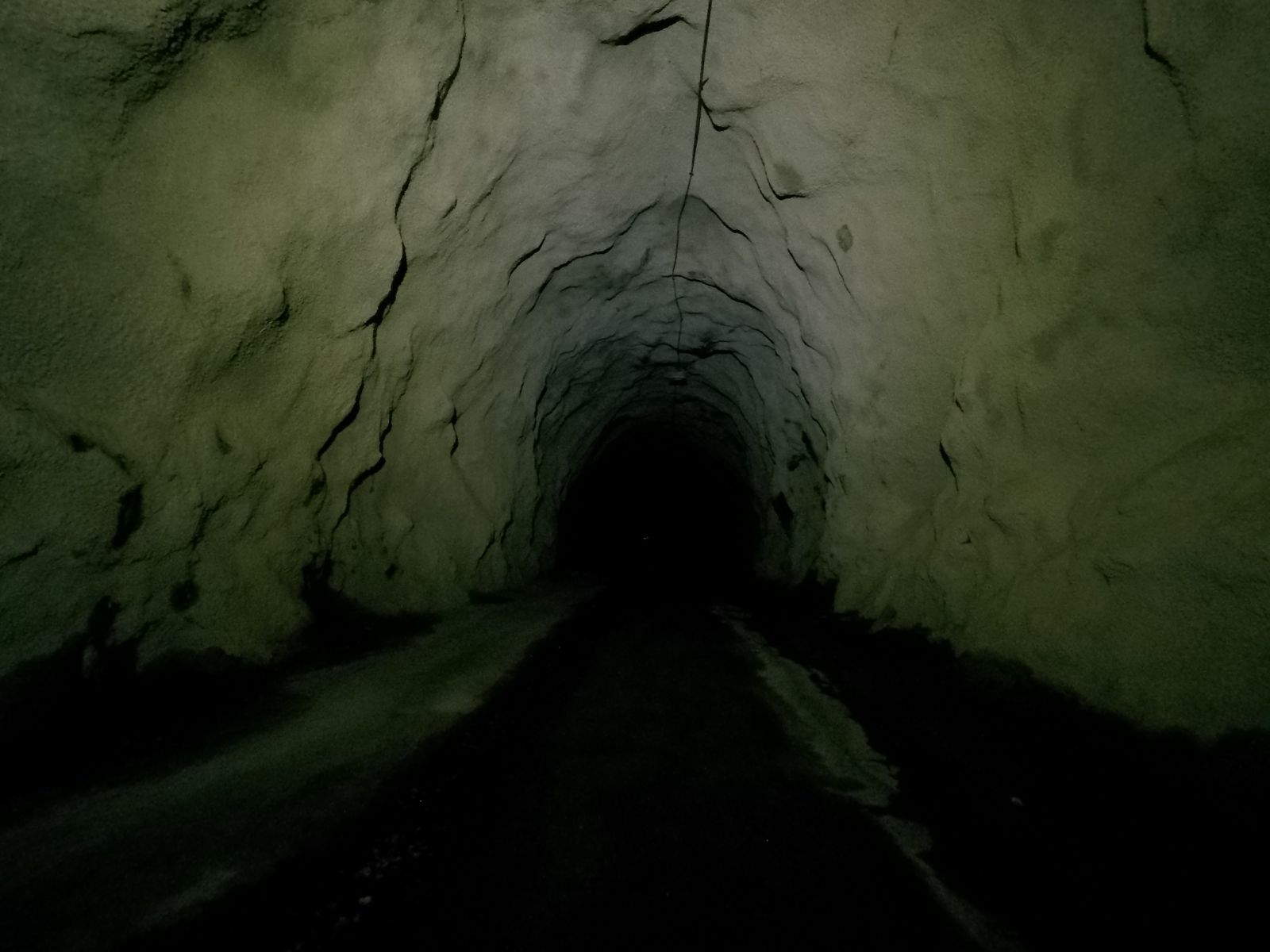
Today: listening to the stones
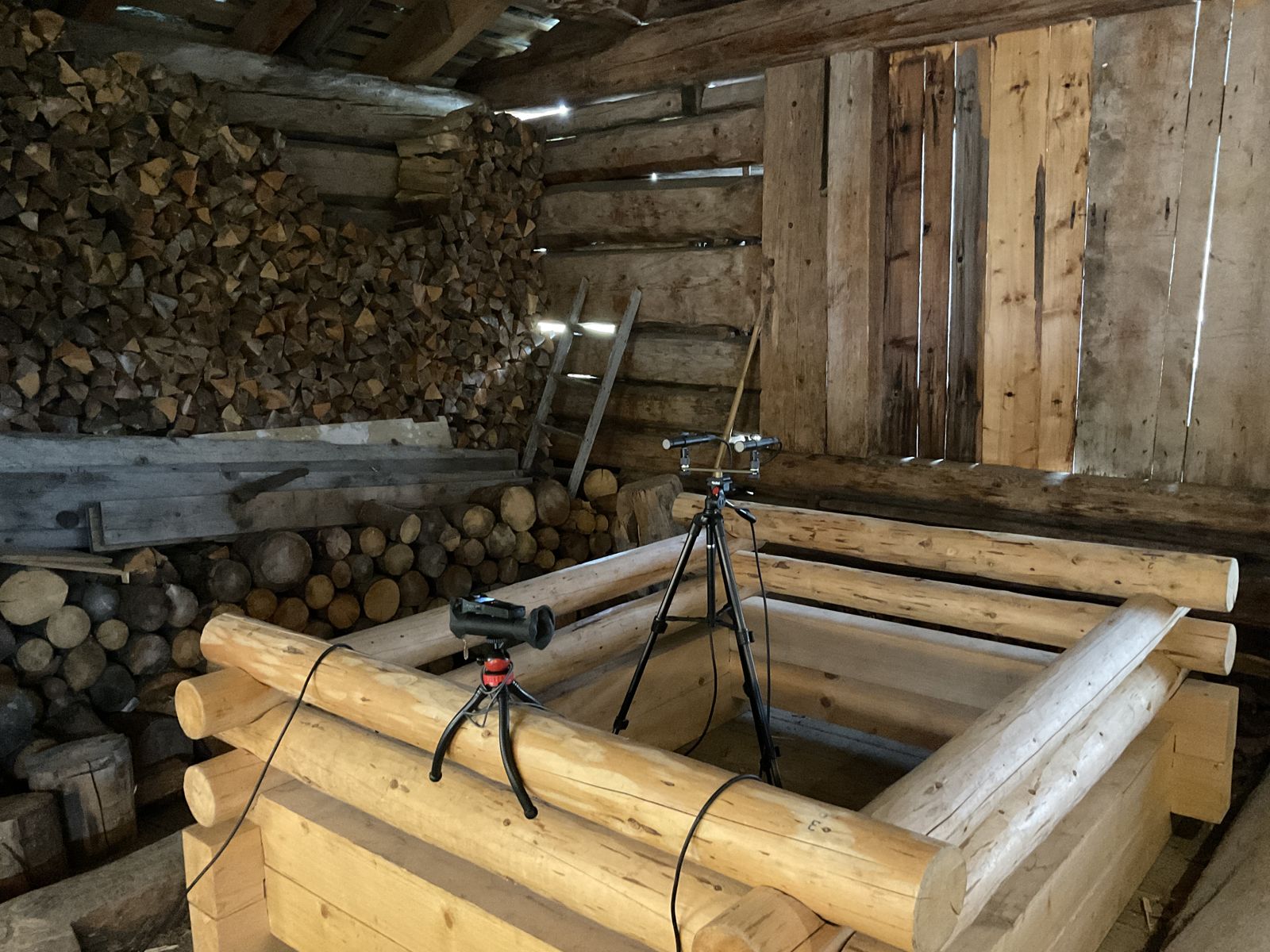
The methods of archaeoacoustics, from the Greek amphitheatre at Tindari in Sicily to Cave 5 at Rivona in Goa and Cave 2 at Gharapuri, near Mumbai. We listen through our eyes: a historical photograph shows how a place looked, and convolution lets us hear how it sounded.
An auralisation is only one static representation of how an environment sounds, a snapshot in time. The result depends on the limits of the recording systems and techniques as much as on the design of the project, and a model of a heritage space is only as good as the research documenting its history. Most importantly, how we perceive an auralisation reflects our own contemporary culture and our own experience of sound. Like many historical reconstructions, it is both made through and heard through a modern state of mind.
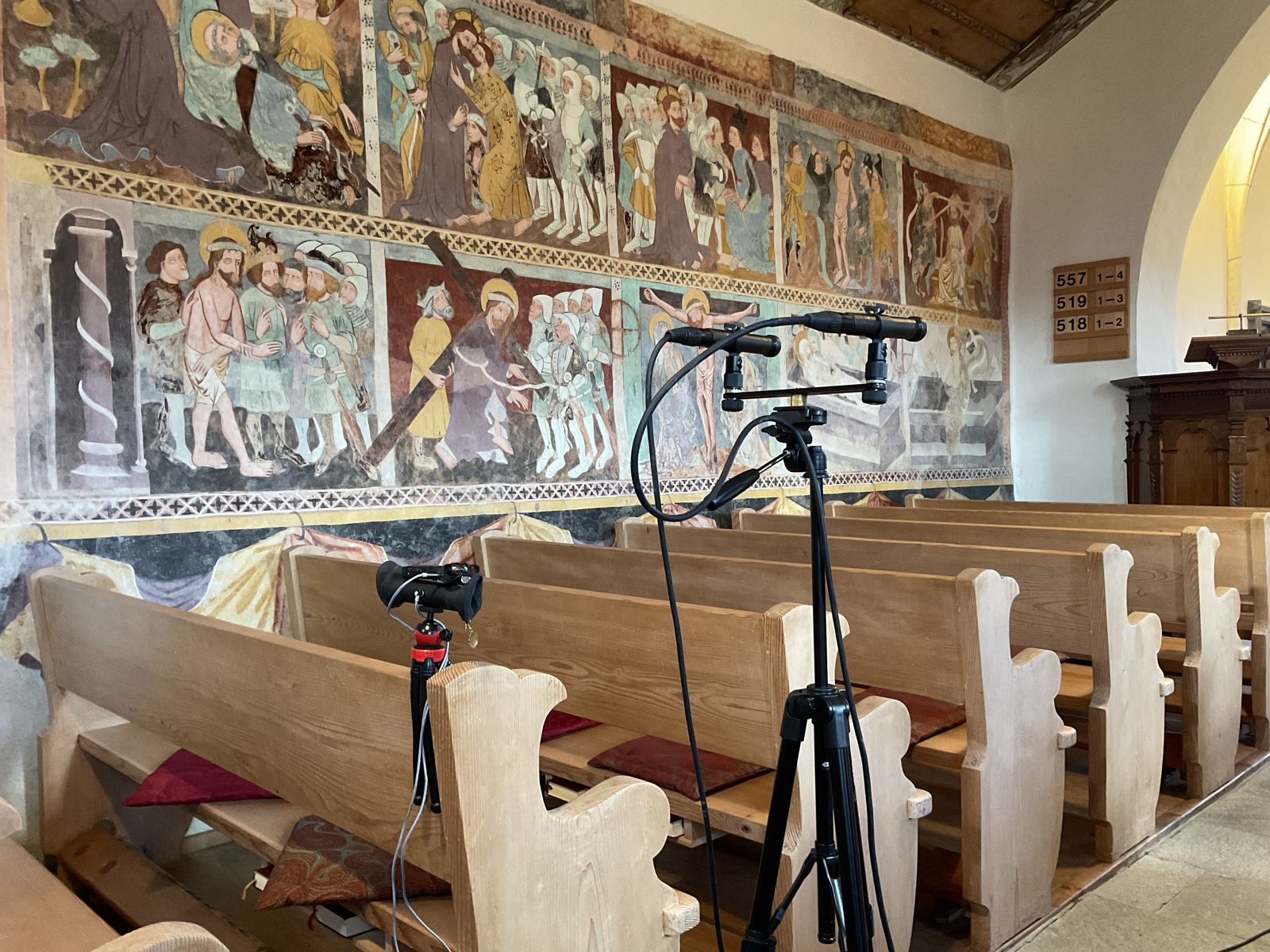
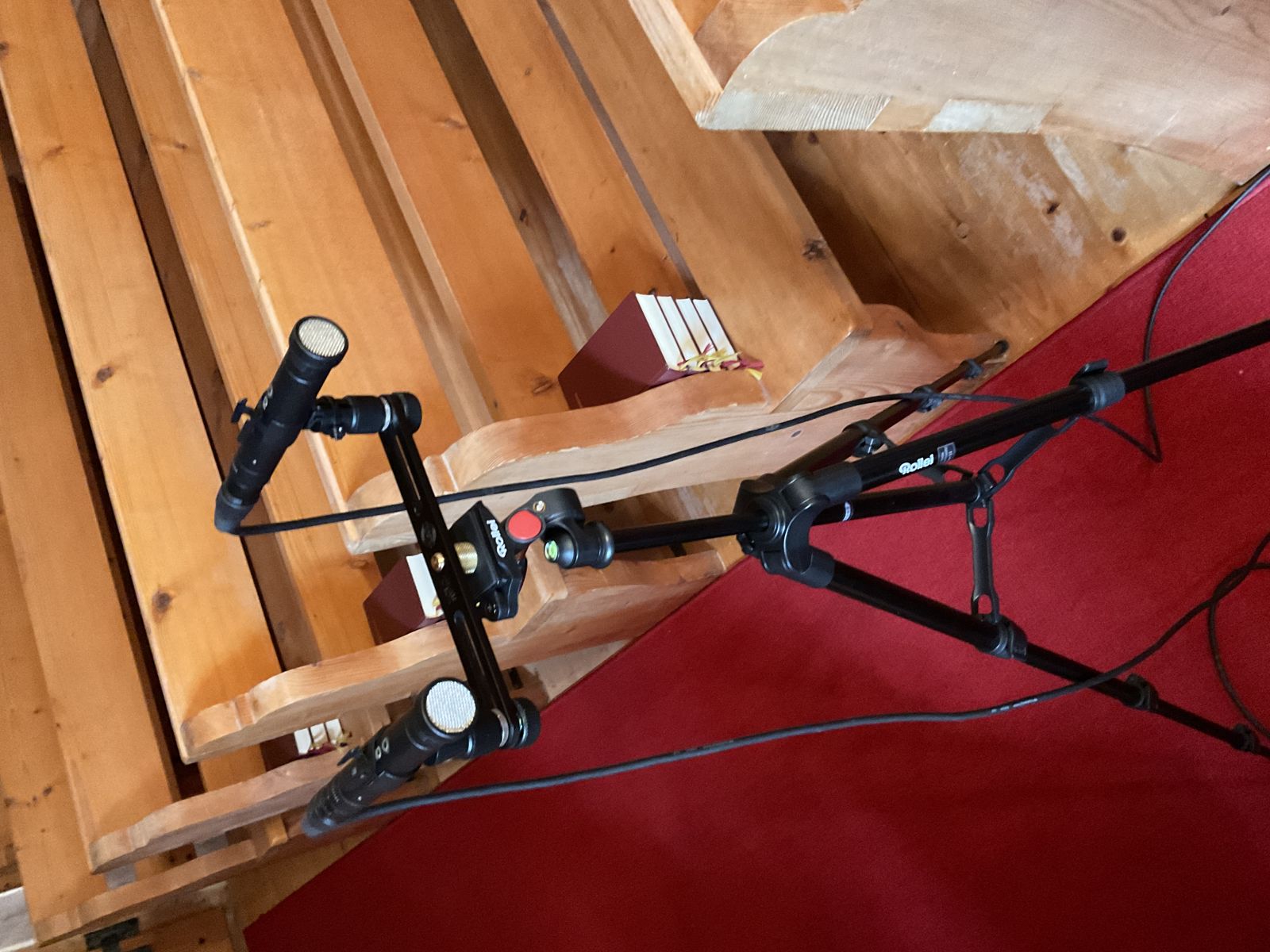
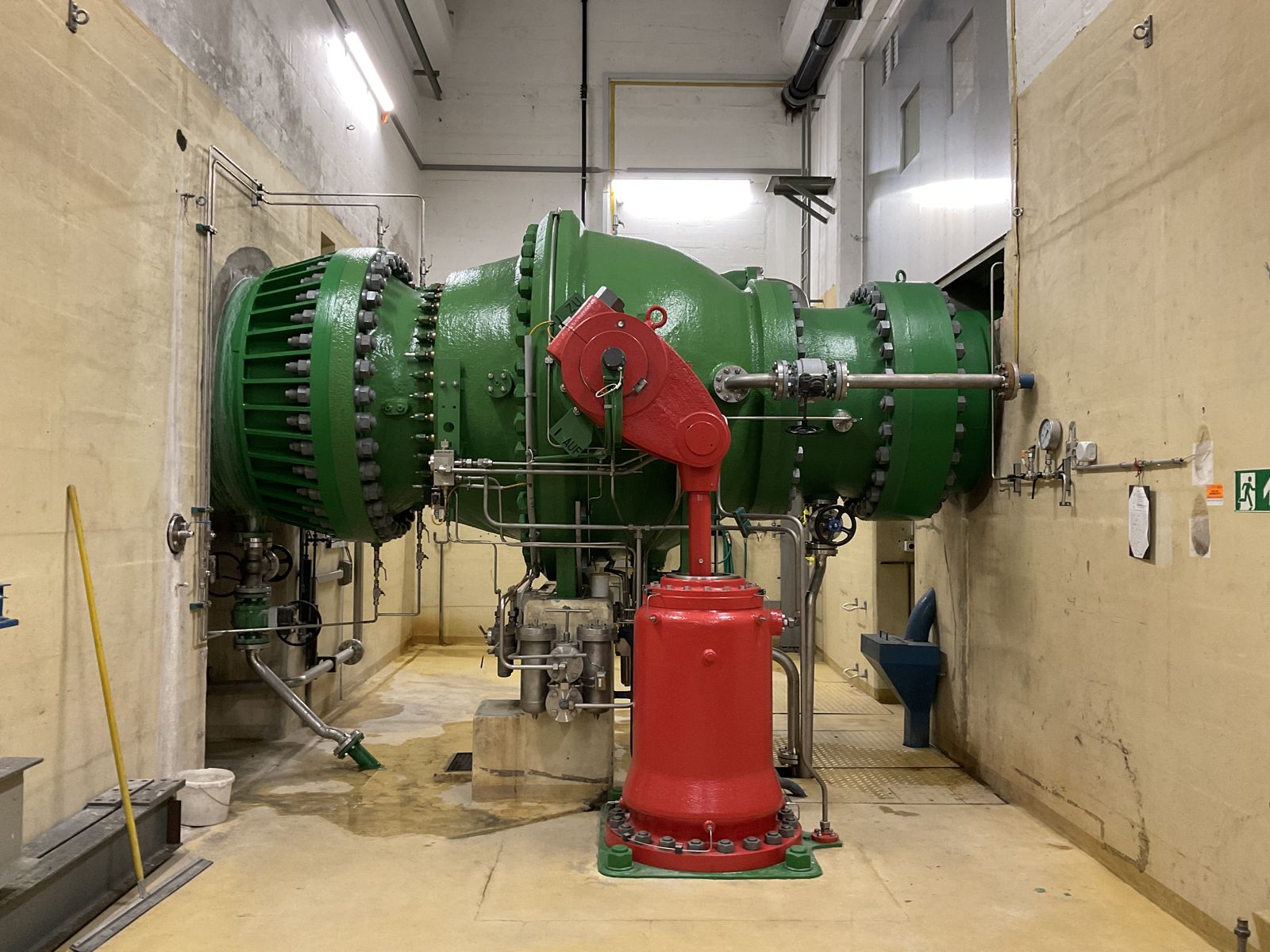
Tomorrow: convolution on the web
With the Web Audio API, convolution now runs in any browser. That gives the archive a new meaning: a page you scroll through can carry you through time, space and sound, as our Goa listening room does. We use our own voices to experience the acoustics of the past, travelling through acoustic history with data that has endured and been stored as acoustic signatures.
References
- Murphy, D., Shelley, S., Foteinou, A., Brereton, J. & Daffern, H. (2017). Acoustic heritage and audio creativity: the creative application of sound in the representation, understanding and experience of past environments. Internet Archaeology, 44. Link
- Scarre, C. & Lawson, G. (eds.) (2006). Archaeoacoustics. McDonald Institute for Archaeological Research, Cambridge.
- Reznikoff, I. & Dauvois, M. (1988). La dimension sonore des grottes ornées. Bulletin de la Société préhistorique française, 85(8), 238–246. Link
- Fazenda, B., Scarre, C., Till, R. et al. (2017). Cave acoustics in prehistory: exploring the association of Palaeolithic visual motifs and acoustic response. Journal of the Acoustical Society of America, 142(3), 1332–1349. Link
- W3C. Web Audio API: ConvolverNode. Link
Have a space, a sound or an idea?
We design custom immersive experiences and tools for artists and businesses, and we’re always looking for spaces to listen to.
contact@sound.codes