How Mumbai’s places of performance became cinema halls, and how local theatre groups made these spaces.
Acoustics of Victorian-Saracenic buildings, archived at the end of 2014.
Since 1908
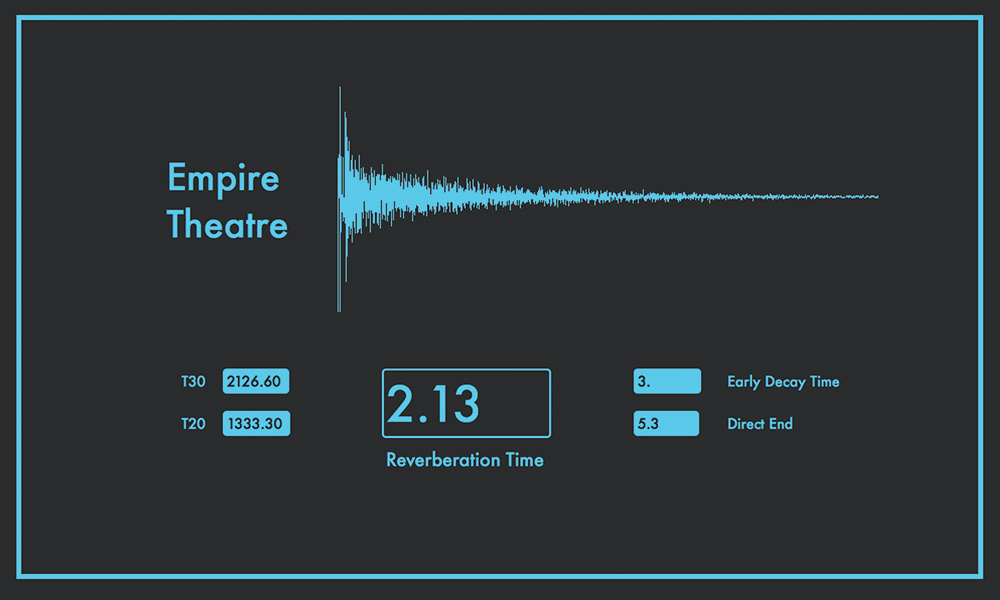
New Empire
2.13sreverberation time
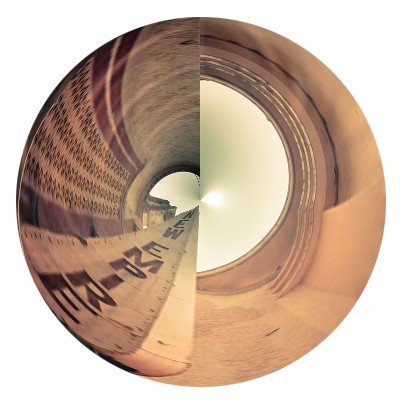
New Empire opened in 1908 as a live theatre, then known as the Empire Theatre. Built as an elaborate Victorian structure in the Baroque style by architect Arthur Payne, with interiors by O’Connor and Gerard, it was one of the oldest single-screen cinemas in Mumbai and the first in Asia with a cantilevered balcony.
It served as a live theatre from 1908 to 1948; the first film it screened was the 1930 talkie The Vagabond King. In 1948 it was completely overhauled in the then-prevalent Art Deco style and reopened as New Empire, seating nearly a thousand.
Since 1914
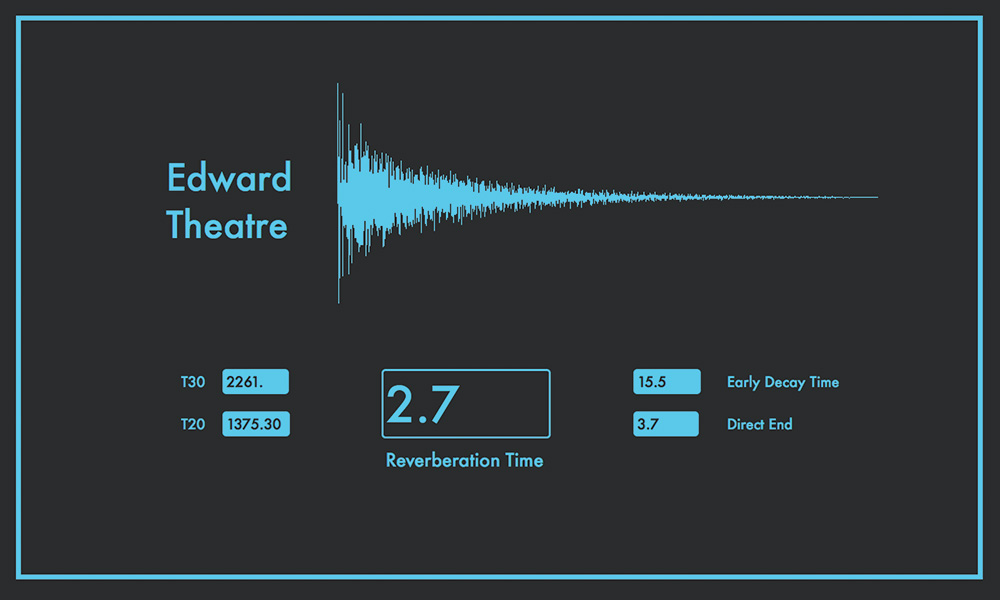
Edward Theatre
2.70sreverberation time
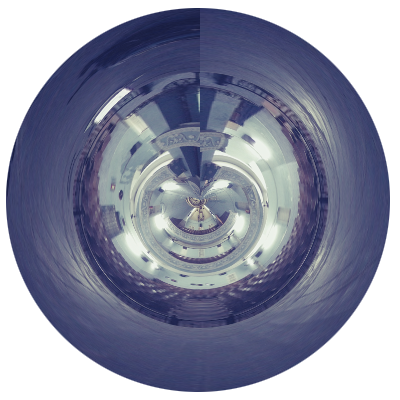
Founded in 1914 and named after King Edward, who visited the city that year, it was built as a scaled-down version of a European opera house, which gives the auditorium a bright, long reverberation. This independent theatre screens everything from new releases and 80s and 90s Bollywood reruns to foreign classics from Wolfgang Becker to Jean-Luc Godard.
Its most famous run is said to be the 1974 screenings of Jai Santoshi Maa, a low-budget devotional film that became one of the biggest hits of the year.
Since 1911
National Gallery of Modern Art
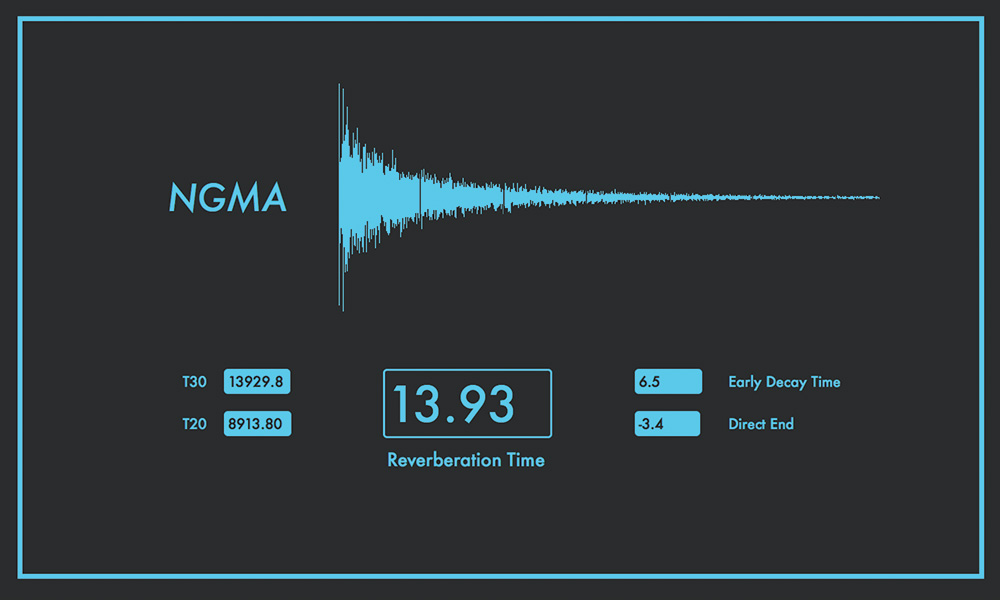
13.93sreverberation time
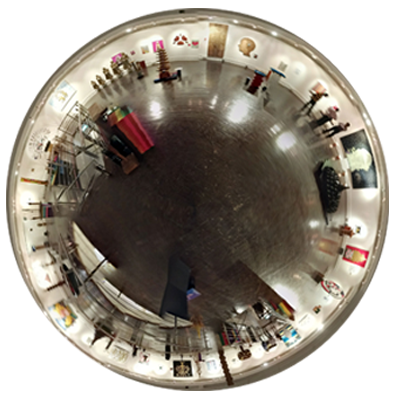
Formerly the Sir Cowasji Jehangir Public Hall, it was built in 1911 by George Wittet as part of the Institute of Science. Until the fifties, C. J. Hall was the city’s premier venue for concerts, political meetings and art.
Artists led by the sculptor Piloo Pochkhanawala and Kekoo Gandhy protested its decline, and in 1996 it became a museum of modern art with 20,000 square feet of galleries. As a protected heritage building, its exterior cannot change and any alterations must be reversible, so the architect Romi Khosla built a structure within the structure: galleries, an auditorium and a library inside the original shell. That room-within-a-room, under a dome about 80 feet across, gives the hall its unusual reverberation; the whole space, dome included, behaves like a membrane that favours even harmonics.
Drop us a beat on what interests you.
We understand the possibilities of these acoustic signatures and are happy to help with your use case.